
The book is now available HERE
Why Address the Emotional Roots of Eczema
You've done everything you knew to do.
You've prayed. You've had faith. You've done what you knew to do, and you did it with everything you had. You fasted, you repented, you asked God to show you what was wrong. You sat with elders or prayer ministers and let them pray over you. You did the forgiveness work when someone told you unforgiveness might be the issue. You did every single thing that was put in front of you to try.
And your skin still flares.
Here's the thing. When you've prayed that hard, believed that faithfully, obeyed that completely, and the condition is still there, there is a voice that starts whispering. It doesn't shout. It doesn't need to. It just asks a quiet question: What if the problem is me?
What if my faith isn't strong enough. What if I missed something. What if I didn't really forgive. What if I'm the one God isn't healing because I haven't gotten whatever "it" is right yet.
If you feel any guilt or condemnation while reading this, reject it as false. That quiet voice is not the Holy Spirit. It is an accusation dressed up as self-examination, and it has been stealing your peace for long enough.
I need to tell you something, and I need you to hear it: you have not failed.
Your faith is not deficient. Your prayers were not wasted. The nights you spent on your face before God asking Him to show you what was wrong, the fasting, the obedience, the forgiveness work someone told you to try. None of that was pointless. None of it.
So why is the eczema still there?
I don’t know, and I doubt anyone else does, either. It may be because there are tools you haven't been given yet, tools most people don't even know exist. And I’m writing this to give you all of them that I know. But the truth is that healing can be complex. It can be very simple, and I celebrate those when they happen, but I’m going to just guess here that if you’re reading this post, that’s not you.
I know, I’ve been there, and I’ve worked with many people who have been here as well. I don’t know why it’s so hard for people to admit that there’s something happening that doesn’t fit in with their theology or knowledge. The world is so vast and science still exists because there are realms of things we don’t know yet. And God is immeasurably bigger than the world and incomprehensible in so many ways to us, or he wouldn’t be God.
What I've found, over and over, is that prayer and faith and obedience are real. They matter. They are absolutely powerful and essential tools. But they are not the only tools. And most people have never been told about the others. And often people are shamed for needing other tools.
There is a growing body of research on the specific emotional patterns connected to specific physical conditions. Not general categories like "stress" but condition-specific roots that researchers have traced and documented. Most people have never heard of it. Eczema alone has at least six different emotional roots that show up in this research, and each one connects to the skin in its own way, through its own mechanism, with its own entry point for prayer and healing.
You used what you had. You prayed. You believed. Those are real tools and you used them faithfully. But it's like knowing your destination is somewhere in Colorado. Colorado is a real place. You could drive around Colorado for years. If your actual address is a specific house on a specific street in a specific town, knowing you're in the right state isn't enough to get you to the front door.
That's what has been happening. You've been in the right state. You've been driving faithfully. And the reason you haven't arrived is not that your car is broken or your faith is weak or God doesn't want to heal you. The reason is that nobody gave you the street address, because most people don't know it exists.
That is what this post is about. Not another invitation to pray harder or believe more. You've done that. I'm not going to ask you to do it again.
What I'm going to give you are tools you may not have seen before. The actual emotional roots—plural—that research connects to eczema specifically. Where it lives in the body, what it's responding to, and what you can do about it once you know.
You haven't been doing the wrong work. You've been working with the only tools you were given. Now there are more.
Give yourself grace for every year you spent wondering what was wrong with you. Nothing was wrong with you. You were using the only tools you had, and you used them faithfully. Now there are more.
So. Let's jump in.
What Eczema Is Doing in the Body
Before we get into the emotional side of this, I want you to understand what is physically happening in your skin. Because when you see the mechanics of it, the emotional connections start making a lot more sense.
Eczema is not one thing. It is a group of conditions, a family of them, really. Romero defines it this way: "Eczema or eczematous dermatitis is a group of dermatological conditions (skin), characterized by having various inflammatory lesions such as erythema, vesicles, papules and exudation. It is a condition of the surface layer of the skin (epidermis) that can occur in adults as in children and is manifested by a reddening of the area, itching and flaking" [Romero, Knowing Ourselves, 2018].
That is a dense sentence, so let me unpack it. Erythema is the redness. Vesicles are tiny fluid-filled blisters. Papules are small raised bumps. Exudation is the weeping, when the skin leaks fluid. And all of it happens in the epidermis, which is the outermost layer of your skin.
Here's the thing about the epidermis: it is your boundary with the world. It is where you end and everything else begins. It is where you touch the world and the world touches you. Every handshake, every hug, every breeze on your face, that is your epidermis making contact. When we talk about the skin in the language of body symbolism, we are talking about protection and contact. Boundary and connection. Both at once.
So when something goes wrong in that layer, when it becomes inflamed, when it itches, when it cracks and flakes and weeps, it is your body's contact surface that is under distress. Not your muscles. Not your organs. Your boundary.
Romero says that diseases of the epidermis are "almost always related to conflicts of separation" [Romero, Knowing Ourselves, 2018]. We will get into the specific emotional patterns in the next sections, but sit with that for a moment. The part of your body that makes contact with the world is the part that is inflamed. That is not random.
Wright comes at it from a different angle. He describes eczema as "a skin disorder involving itching, redness, inflammation and sometimes psoriasis which may or may not occur. Eczema is connected in its roots to fear, anxiety and stress disorders" [Wright, A More Excellent Way, 2009]. When he discusses neurodermatitis, which is chronic eczema, he goes further: it "may have a strong psychosomatic component; that is a very definite spiritual root involving anxiety, mental tension and emotional disturbance. It is definitely a result of the mind-body connection" [Wright, A More Excellent Way, 2009].
Now, I have a biology and chemistry background, so I want to be careful here. I am not saying eczema is "all in your head." It is absolutely, physically real. The inflammation is real. The immune response is real. The barrier dysfunction in your skin is measurable. And the clinical research confirms that the emotional component is also real, not as a replacement for the physical, but woven right through it.
A 2018 meta-analysis found that adults with atopic dermatitis had roughly twice the odds of depression and anxiety compared to people without it [Rønnstad et al., JAAD, 2018]. Twice. And a 2020 qualitative study documented what many of you already know from lived experience: rejection, stigmatization, and social isolation are common for people with eczema [Marron et al., Actas Dermo-Sifiliográficas, 2020]. The skin flares, people stare or pull away, and the emotional weight of that compounds everything.
Romero adds one more piece that I think is important: eczema "affects hypersensitive people who . . . live so much in terms of what others expect of them" [Romero, Knowing Ourselves, 2018]. Read that again slowly. Hypersensitive people who have been living in terms of what others expect. People who feel things deeply and have been shaped—maybe pressured—by the expectations around them.
Does that sound familiar? If it does, make note of what in particular resonates with you. That will help you later.
I should also say, that while my focus here is the emotional roots of eczema, I’m also not against medical treatment. I was in the medical community as an Occupational Therapist for 25+ years, and I am pro-medicine when needed. However, in my own life, I’ve experienced the limitation of traditional medicine, which began my research into the emotional and spiritual roots of physical conditions. So none of this is medical advice. That’s outside the scope of my knowledge base and of this post and is a discussion you should have with your physician. Just know that I believe God can and does heal through medicine.
Possible Emotional Roots of Eczema
When researchers and practitioners have studied eczema specifically, they do not all point to the same emotional root. They don't even point to the same general category.
Joman Romero identifies eczema as primarily a separation conflict, the experience or fear of being cut off from someone or something important. A breaking-contact situation. He maps the body location of the eczema to the specific nature of the separation: hands relate to a partner or to work you've been separated from, the face relates to identity, elbows to feeling unsupported in your work [Romero, Knowing Ourselves, 2018].
Michael Lincoln identifies suppressed individuality, a "Don't be you!" injunction, often from a controlling or ambivalent parent. He describes it as attacking yourself before the anticipated external attack comes. He also identifies a pattern he calls "molting" or difficulty releasing old thought patterns, clinging to a past identity. And a third pattern: suppressed rage and powerlessness [Lincoln, Messages from the Body, 1991].
Evette Rose identifies feeling controlled, judged, and manipulated, a power struggle, either internal or with someone specific. Resentment that has no safe outlet. Anger that feels stuck because expressing it would change nothing [Rose, Metaphysical Anatomy, 2013].
And Henry Wright, a pastor and teacher who spent decades mapping the spiritual roots of disease, connects eczema specifically to fear, anxiety, and stress disorders. Not bitterness. Not self-hatred. Not the categories you'd expect. Even within his own framework, eczema points to a different address than the general one [Wright, A More Excellent Way, 2009].
Most people have never heard of this research. That's not their fault. It's not widely taught. It's not in most churches or prayer ministries or healing conferences. But it exists, and eczema has at least six different emotional roots.
The prayer you've done is real. The faith you've carried is real. And now there are tools you haven't had access to before.
Give yourself grace for that. You were working with the tools you had. You were working hard. And now there is a more specific map.
That's what we're going to walk through next, one root at a time, each one sourced and cited, each one with specific reflection questions and tools you can use on your own. Not a general sweep. A map drawn for eczema specifically.
Separation and Loss of Contact
Separation. The loss of contact with someone or something that mattered to you.
Romero writes that "eczema appears after a breaking contact situation, more or less intense. This separation may refer to a loved one, family, a pet, an object, an idea, etc." [Romero, Knowing Ourselves, 2018] Not only the dramatic losses: the divorce, the death, or the move across the country. Also the quiet ones. The friend who drifted. The job you left. The pet who died and everyone told you it was "just a dog."
Romero identifies three patterns within this: actual separation lived negatively, fear of separation, and lack of communication [Romero, Knowing Ourselves, 2018]. So this isn't only about losing someone. It's also about dreading the loss. And it's about being in the same room with someone and feeling completely cut off from them.
Here's the thing. Romero goes further than general separation, he maps where the eczema appears to what the separation is about.
- Hands: "separated from something I'm doing," or separation from father or partner.
- Mouth: "separated from someone we want to continue kissing."
- The crease of the elbows and behind the knees: "feel misunderstood and alone, nobody supports us."
- The bend of the elbow specifically: "separated from an embrace."
- The outside of the elbow: "separated from a job."
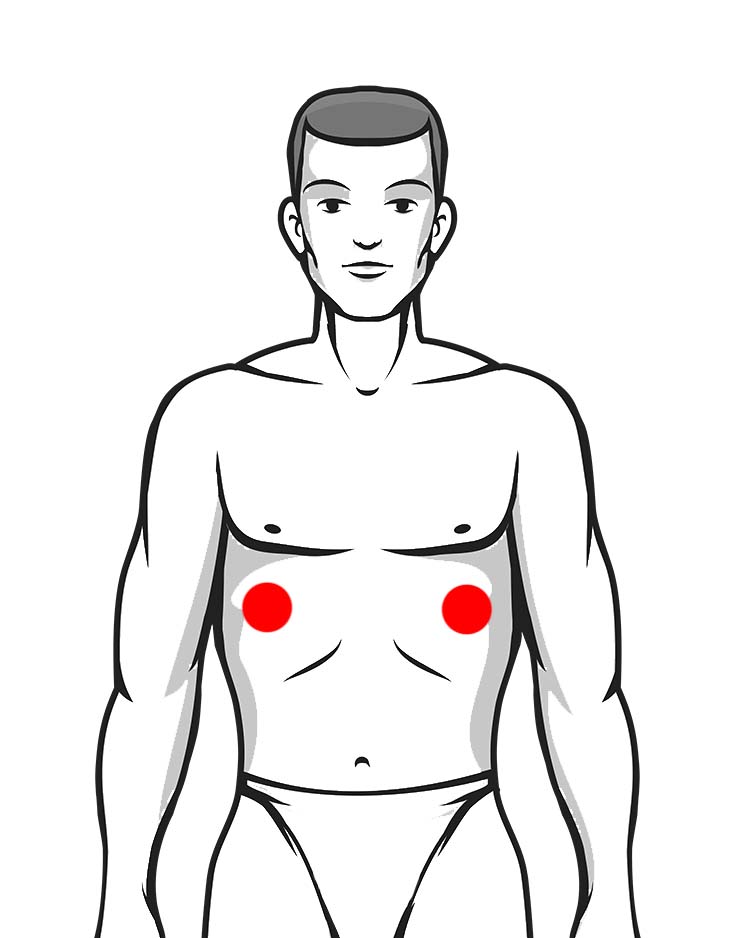
- Left breast: "breaking contact mother/child."
- Right breast: "emotional separation from partner."
- Head: "disappointment when we see our ability questioned."
- And the face: "big discomfort with oneself and the image we project" [Romero, Knowing Ourselves, 2018].
Romero also notes that diseases of the epidermis are "almost always related to conflicts of separation" [Romero, Knowing Ourselves, 2018]. And for children with eczema, the connection is even more direct: "Conflict of separation from the mother." In a child, this separation represents a vital conflict, it threatens survival, which is why the eczema often generalizes across the entire body rather than staying in one location [Romero, Knowing Ourselves, 2018].
Michael Lincoln's work supports this through a different lens. He describes a "molting" theme in having difficulty releasing or clinging to past connections and patterns [Lincoln, Messages from the Body, 1991]. In Traditional Chinese Medicine, the skin is governed by the Lung meridian, which holds grief, sadness, and the inability to let go. When the Lung system is weakened by unprocessed loss, boundaries break down, including the physical boundary of the skin itself.
Why This Matters for Eczema
The skin is the body's contact surface. It is literally the organ of touch, the organ that connects you to everything outside yourself. So when the body registers a contact disruption, it makes sense that the contact surface is where the response shows up. The inflammation, the itching, the barrier dysfunction, the skin is reacting to a break in connection.
And where on the body the eczema appears is not random. If your eczema is on your hands, the question is not "what general emotion am I carrying?" The question is: who or what was I separated from that I was holding or doing? If it's behind your knees or in the crease of your elbows, the question shifts: where do I feel unsupported and alone?
If you feel any guilt or condemnation reading this, as if somehow you caused your eczema by not processing a loss well enough, reject it as false. You did not create this. The body stored something the mind couldn't finish processing. That's not failure. That's your body doing what it does. And now you have tools to help it release what it's been holding.
What to Do
Meridian Release
Note: If you’re not comfortable with this type of tool, visualize gathering up all the negative emotions from your body and placing them at the foot of the cross and asking Jesus to fill you with the opposite. I typically start at the tips of my toes and work my way up my body picturing my hands gathering darkness from all areas of my body - or almost like I’m peeling off a full body sticker, if that makes sense. Then I have a big ball of negativity and I place it on the altar or at the foot of the cross and ask Jesus to take it and fill me with the opposite. God may give you a different picture that fits you better, and that’s great. The key is to fill all areas with the positive emotions as nature and the spirit world abhor a vacuum, so let’s not give it one.
The emotions tied to separation — sadness, grief, yearning — live in the Lung meridian. Sorrow lives in the Small Intestine meridian. Since grief and sadness appear in more than one meridian, a multi-faceted approach — working with both the Lung and Small Intestine meridians — is often more effective for emotions this layered.
Lung Meridian (sadness, grief, yearning)
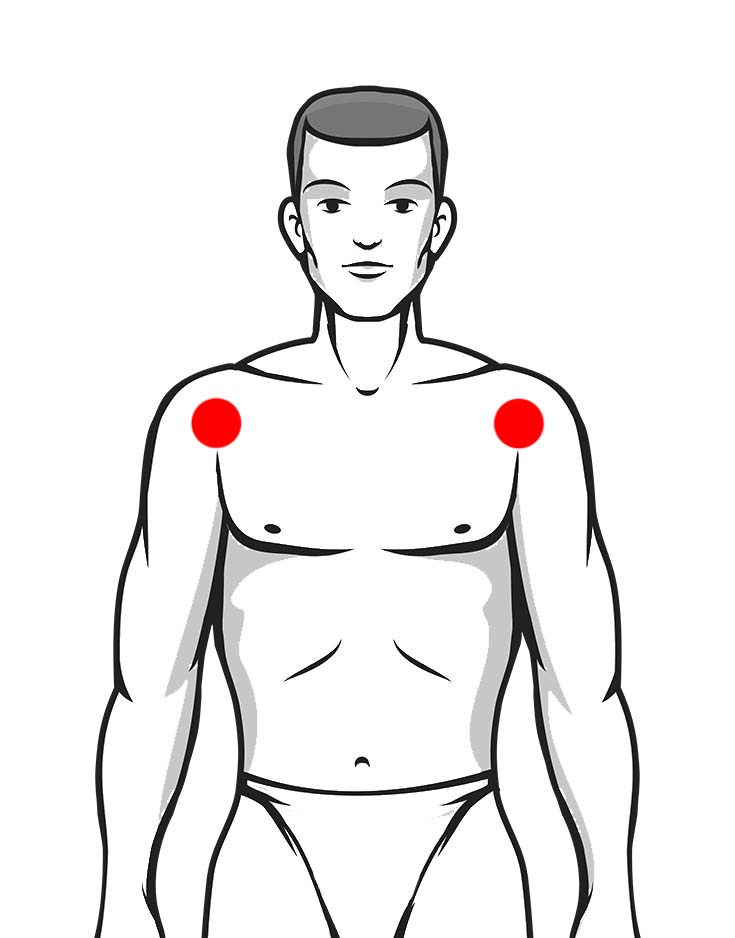
Connect the circuit: touch the Lung meridian point with one hand and a head point with the other.
For separation and loss of contact, start with the Left Temple — these emotions are connected to the past. If you're dealing with fear of separation (something you dread happening), use the Right Temple instead. If the sense of disconnection feels like it's everywhere, use the Forehead. If you suspect you're carrying someone else's grief, use the Top of Head.
Hold the connection and intend to release: sadness, grief, yearning. Stay with it until you feel a shift — a sigh, a softening, a sense of something moving.
Small Intestine Meridian (sorrow)
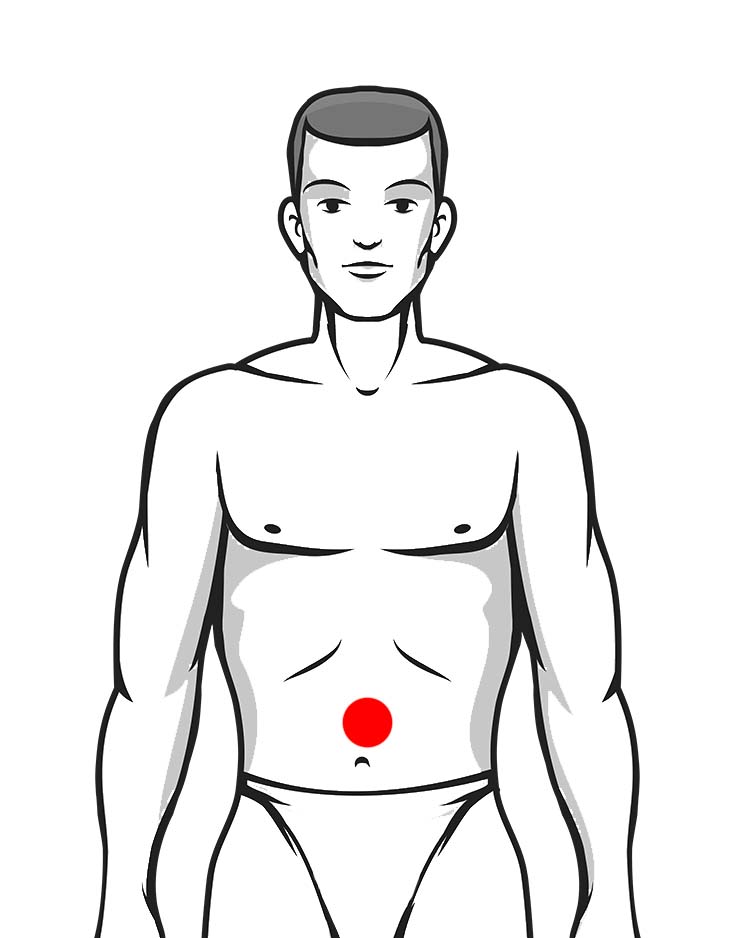
Same technique. Touch the Small Intestine meridian point with one hand, head point with the other. Use the Left Temple for past losses.
Hold the connection and intend to release: sorrow.
Refill: Once you've released, hold the same meridian point and shift your intention to receiving the positive opposite. Switch to the Right Temple — this is about what's ahead of you, not what's behind you.
- Lung positives: Joy, Comfort, Content, Friendly, Fulfilled
- Small Intestine positives: Clarity, Decisive, Happiness, Joy, Comfort, Healing
Let those settle. Don't rush through the refill — it matters as much as the release.
Emotional Release Prayer:
Jesus, I confess and repent for holding on to and coming into agreement with the emotions of [name the emotions: sadness, grief, yearning, sorrow, etc.]. I gather up these emotions and any and all entities that came along with them, and I cast them to the cross of Jesus. I revoke any and all rights that they've had and I place the blood of Jesus between all of them and me. I ask you Jesus to reverse all effects of these emotions and fill me with [the opposite, positive emotions: joy, comfort, contentment, clarity, healing]. Thank you. In Jesus' Name, Amen.
Collarbone Statements
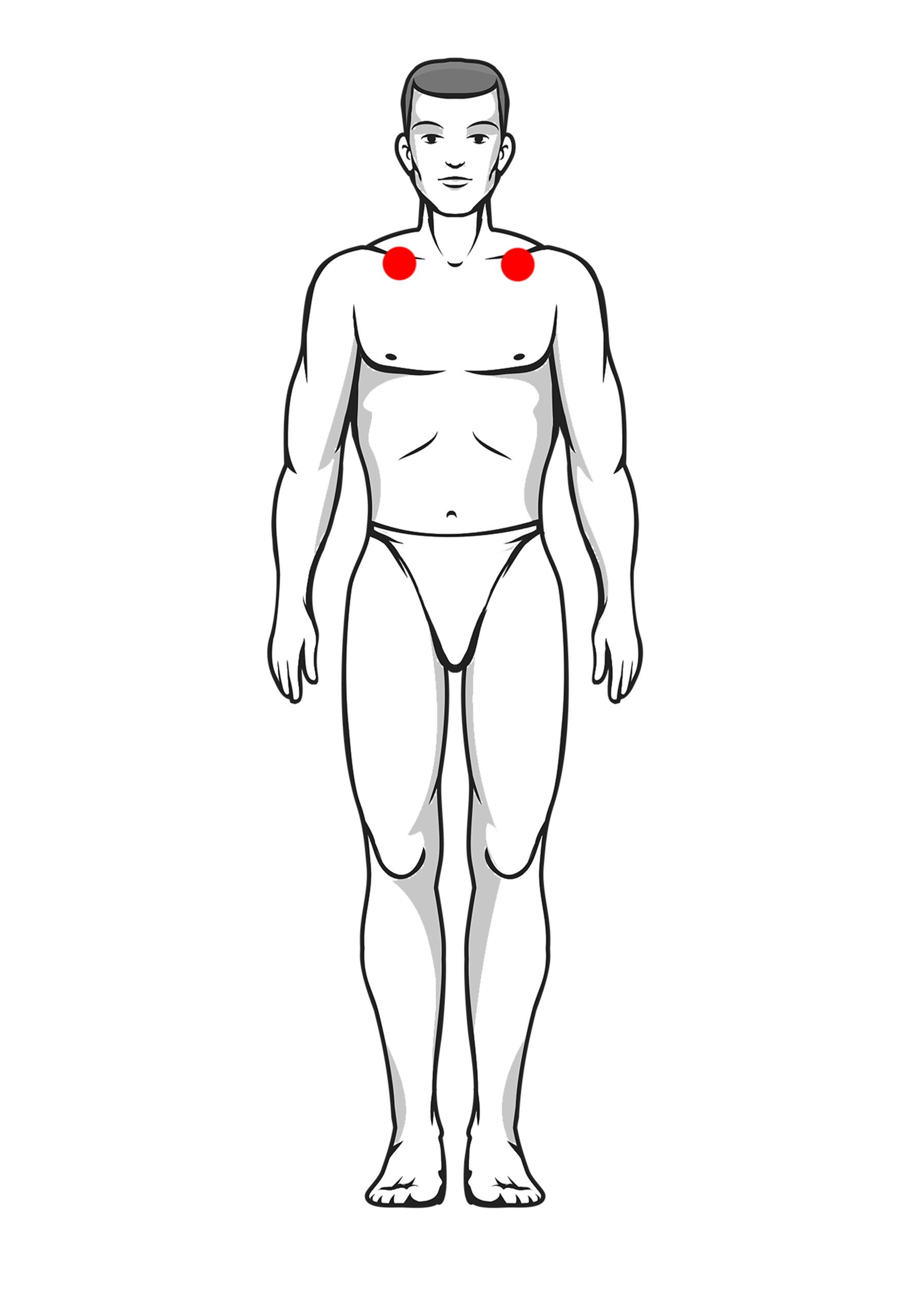
Touch the tender spots about an inch under each collarbone. Gently rub while saying a statement at least three times. When you're finished, tap the karate chop point three times to set the statement.
Sample statements:
- "I'm safe to do this work."
- "Even though I feel separated, I am connected and loved."
- "My mind and body are willing to release this grief."
You can do these as often as you need to, with as many variations as you need.
Heal Trauma
Work in layers — address each piece as it comes rather than trying to process everything at once. Trust Jesus and your intuition to guide what surfaces.
Write it down as you go — sometimes more than one thing surfaces at once, and you want to make sure you address each piece.
Forgiveness
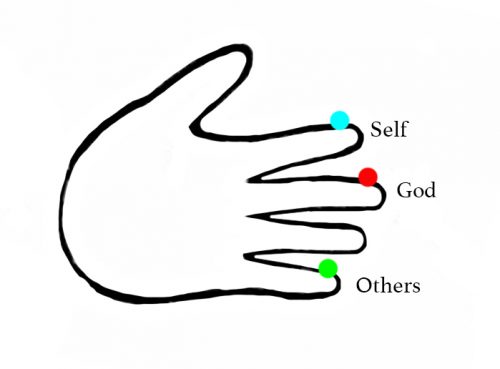
Forgiveness is not for the other person. It is for you. It does not mean what happened was acceptable. It does not require restoring the relationship.
Tap the edge of the appropriate finger with a finger from your opposite hand. Say: I forgive [WHO] for [WHAT]. Repeat at least three times.
Then go back and re-release the emotions from earlier, they often clear faster or more completely once the forgiveness piece is done.
Forgiveness Prayer:
Jesus, I confess and repent of holding onto unforgiveness of [WHO] for [WHAT]. I choose to forgive them, and I ask that you will help me to continue to forgive them as often as I need to. Thank you for helping me forgive them.
Resources that may be helpful for you:
Click the images to see more and/or purchase.

Flower Essences by Freedom Flowers*
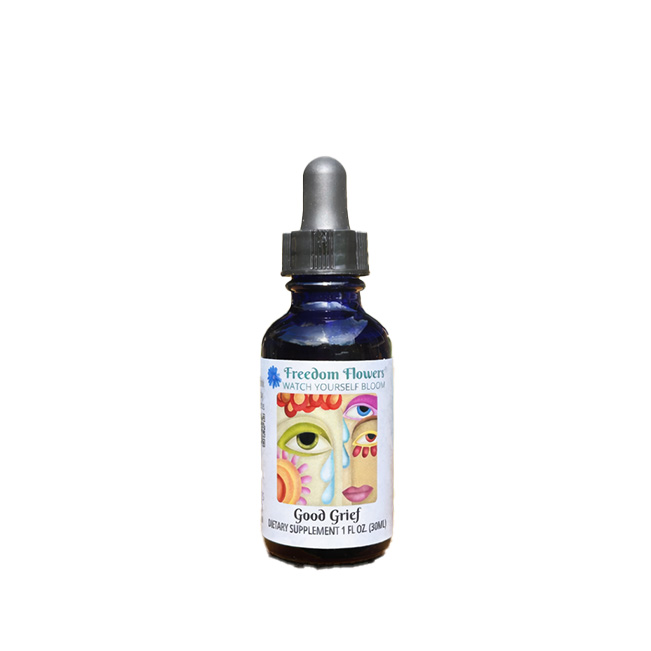
Good Grief: For the grief, sadness, and yearning at the core of separation; supports release when loss has been carried for a long time.
Bleeding Heart: For heartbreak after a relationship ends, whether through breakup, death, or a move; helps release painful emotional attachments and the brokenness that lingers afterward.
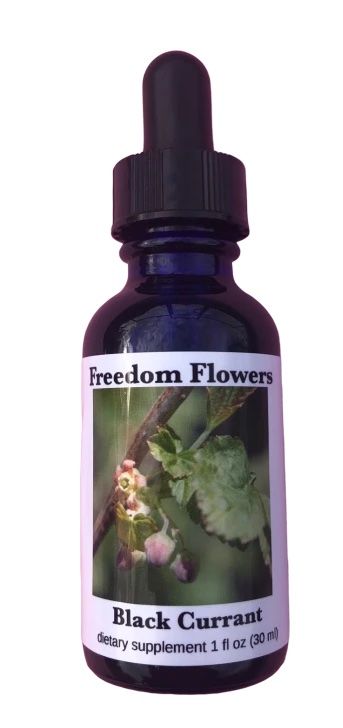
Black Currant: For fear of abandonment and the Lincoln "molting" pattern of having trouble letting go of the familiar to take hold of something new.
Reflection Questions
- What comes up for you when you look at where your eczema appears on your body — and then read Romero's map of what each location points to?
- Is there a separation you've accepted intellectually that your body might still be holding?
- When you think about "loss of contact," does your mind go to a person? Or does it go somewhere you didn't expect — a place, a job, an idea of how life was supposed to go?
- If your eczema started in childhood, what was happening with your connection to your mother — or to the person who felt like safety?
Suppressed Individuality
She was the good kid. The peacekeeper. The one who learned, very young, exactly which version of herself was acceptable and which version would cost her something. She didn't rebel. She didn't push back. She became the person who was easiest for everyone else to live with — and the eczema started in childhood.
If that sounds like you, even a version of it, stay with me. This one can land hard. Give yourself grace as you read it.
Michael Lincoln describes eczema patients as carrying what he calls a "Don't be you!" injunction — imprinted early, usually by a parent who was controlling, critical, or emotionally unpredictable. The child learned that manifesting their own personality felt dangerous. They developed guilt for being themselves, because being themselves seemed to threaten the family system. They began attacking themselves before the anticipated external attack could come. [Lincoln, Messages from the Body, 1991]
He also says this can be the product of adults who restricted them into a box, not allowing them to manifest and develop all aspects of themselves. The person can become intensely concerned with how others see them. Embarrassed. Ashamed. Carrying feelings of inferiority and a constant internal audition for themselves and others. [Lincoln, Messages from the Body, 1991]
You may feel controlled, judged or manipulated. Your identity maybe based on how accepting of you those around you are. You may not feel it is safe to be yourself or to have a different opinion around certain people or situations. [Rose, Metaphysical Anatomy, 2013]
This may also relate to a challenging relationship with your mother. Here’s the thing. This isn't about blaming your mother, or whoever installed the message. They were likely doing the best they could with what they had. But your body recorded it. You learned: being me is not safe. And that belief didn't go away when you grew up. It just went underground.
If you feel any guilt or condemnation reading this, if you're thinking "but she tried her best" or "I shouldn't feel this way,” that response is actually part of the pattern. The guilt for having your own feelings about it is the same guilt Lincoln is describing. Give yourself permission to let this be true without editing it. Allow the feelings to surface so they can be resolved and viewed in the light of day.
Why This Matters for Eczema
The skin is the body's contact surface, where you meet the world. It's the most visible part of you. It's where identity becomes physical.
So when being yourself felt dangerous—when your personality, your opinions, your individuality were treated as a threat—the body's boundary layer can carry that conflict. The skin becomes the battlefield where the war between "who I am" and "who I'm allowed to be" shows up.
Romero notes that eczema on the face specifically maps to identity and self-image conflict. That's not coincidence. The face is the most identity-specific surface of the body, it's how you're recognized as you by others, and even possibly your phone or computer.
What to Do
Meridian Release
The emotions behind suppressed individuality are often found on these two meridians:
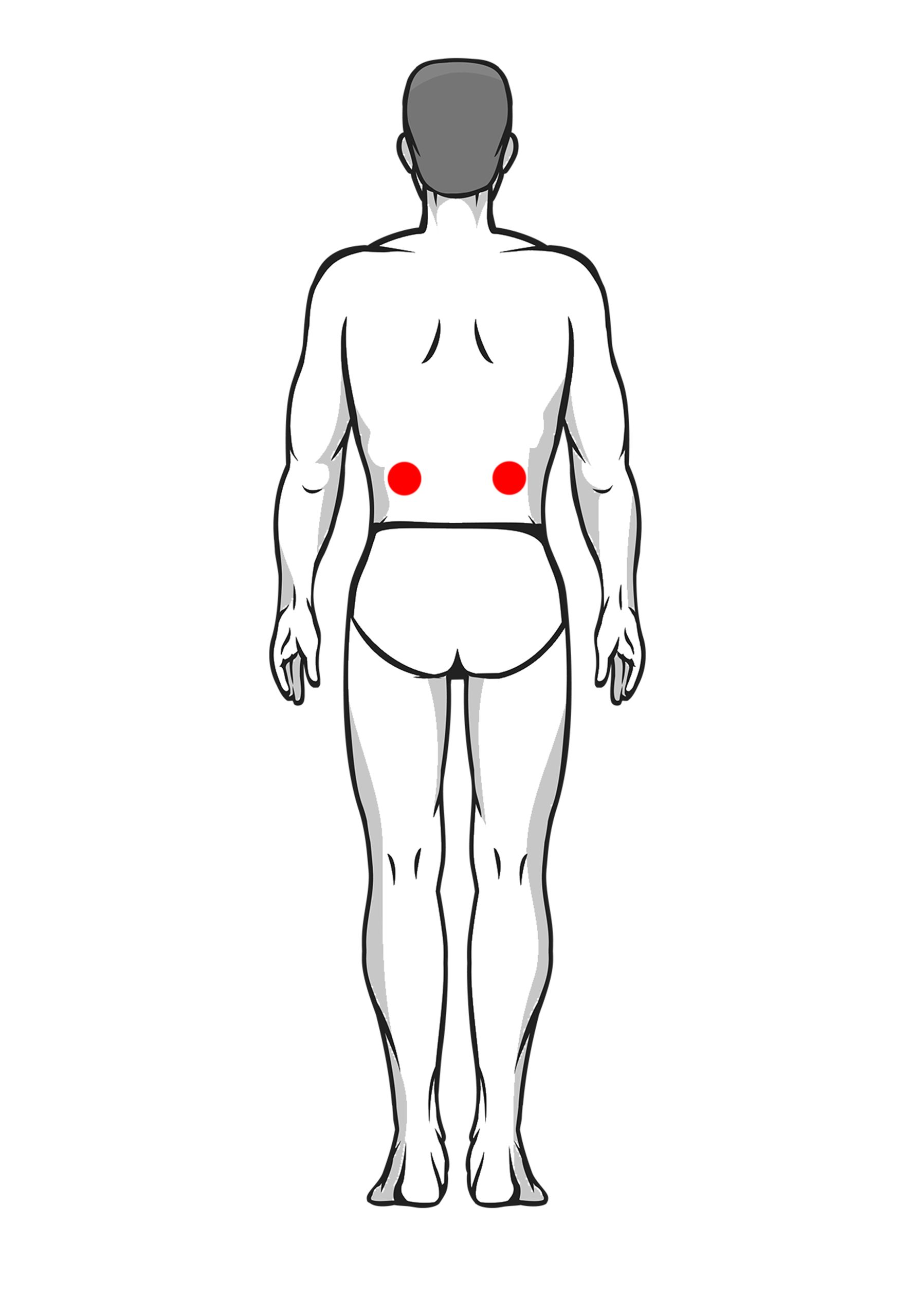
Kidney meridian — carries Ashamed and Trauma. These are the deep, old feelings: the shame of existing as yourself, the trauma of learning that your personality was not welcome.
How to release: Touch the meridian point with one hand and the head point with the other. Intend to release the emotion. Hold for as long as it takes — you'll feel when it shifts.
- For past-connected emotions (childhood experiences, specific memories of being shut down): use the Left Temple as your head point.
- For pervasive, ongoing patterns (a constant sense that being yourself isn't safe): use the Forehead.
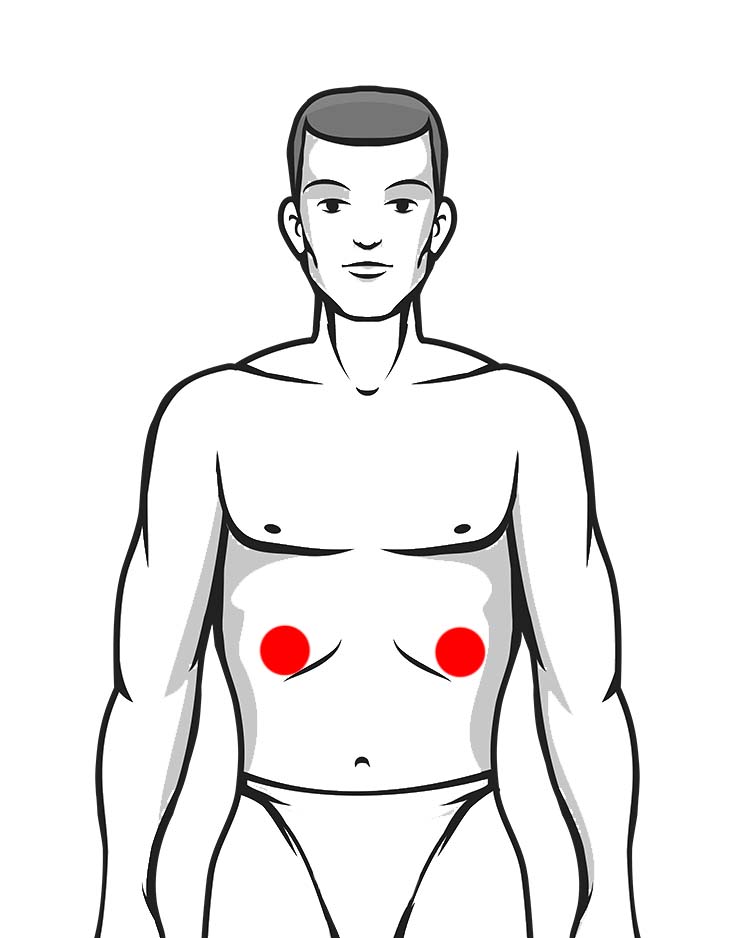
Liver meridian — carries Shame, Anger at self. This is what happens after the message takes root: you turn the anger inward. You punish yourself for having needs, opinions, desires. You feel guilty for wanting to be you.
How to release: Touch the meridian point with one hand and the head point with the other. Intend to release the emotion. Hold for as long as it takes — you'll feel when it shifts.
- For past-connected emotions (childhood experiences, specific memories of being shut down): use the Left Temple as your head point.
- For pervasive, ongoing patterns (a constant sense that being yourself isn't safe): use the Forehead.
Refill: After releasing, touch the meridian point and the Right Temple. Intend to receive:
- Kidney: Befriended, Confident, Healing
- Liver: Love for self, Innocent, Self-admiration, Happiness, Pleasure
Take your time with the refill. These are not small things you're inviting in.
Emotional Release Prayer:
Jesus, I confess and repent for holding on to and coming into agreement with the emotions of shame, guilt for being myself, fear of rejection, and trauma from being told that who I am is not acceptable. I gather up these emotions and any and all entities that came along with them, and I cast them to the cross of Jesus. I revoke any and all rights that they've had and I place the blood of Jesus between all of them and me. I ask you Jesus to reverse all effects of these emotions and fill me with confidence, self-acceptance, and the knowledge that You made me on purpose. Thank you. In Jesus' Name, Amen.
Broadly Applicable Tools
1. Collarbone Statements
Find the tender spots about one inch below each collarbone — you'll know them when you press. Rub gently while saying each statement three or more times. Then tap the karate chop point (the fleshy outer edge of your hand) three times.
Statements to use:
- "I'm safe to be who God created me to be."
- “I am free to discover all of who I am."
- "I am safe and free to step out of the box others put me in."
2. Forgiveness
Tap the edge of the appropriate finger with your opposite hand. Say: "I forgive [WHO] for [WHAT]." Three or more times.
The person who installed the message. The parent, the authority figure, the family system that said "don't be you." You might say: "I forgive my mother for making me feel that being myself was dangerous." Or: "I forgive my father for punishing me when I showed who I really was.” It may be a specific moment in time, and not a consistent pattern. And, again, we’re not saying that these people were or are horrible people, but everyone makes mistakes, and sometimes our systems code those mistakes as traumatic.
Yourself. You may need to forgive yourself for hiding. For performing. For becoming someone you weren't. You did that to survive. It was not a failure. But the guilt is still there, and it needs to be released.
God. You may need to forgive God for making you different than what those around you wanted you to be, or that what you want to be. This doesn’t mean that God made a mistake, that’s not possible, but often in forgiving God, we’re able to then accept what we’re forgiving him for.
After forgiveness, you can go back and re-release the emotions. Forgiveness often loosens layers that weren't accessible the first time.
Forgiveness Prayer:
Jesus, I confess and repent of holding onto unforgiveness of [WHO] for making me feel that being myself was wrong and dangerous. I choose to forgive them, and I ask that you will help me to continue to forgive them as often as I need to. Thank you for helping me forgive them.
Resources that may be helpful for you:
Click the images to see more and/or purchase.
Flower Essences by Freedom Flowers*
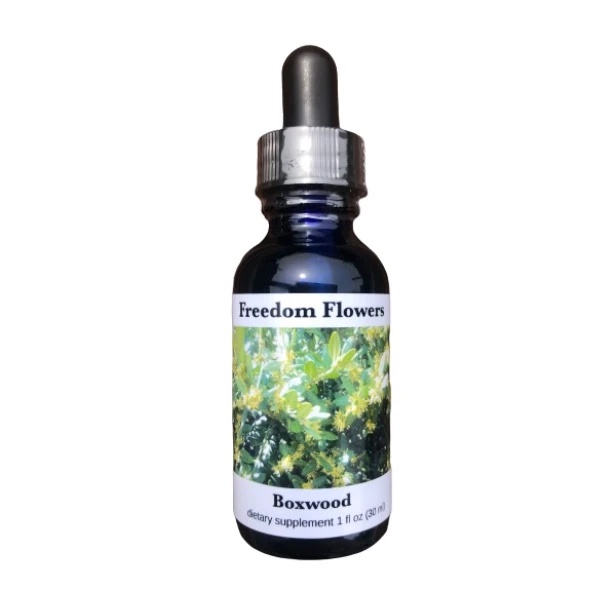
Boxwood: For the "fit into the box / don't be you" imprint when a strict or controlling upbringing trained your individuality into hiding.
Hyssop: For the guilt and shame layer underneath, including self-condemnation and the self-punishment that comes from believing you weren't supposed to be you.
Milk Thistle: For the forgiveness work when the pattern traces back to a parent or longstanding family dynamic.
Reflection Questions
- What comes up for you when you think about the phrase "Don't be you"? Is there a specific person's voice attached to it?
- Is there a person or situation in your current life where being yourself still feels unsafe — where you automatically edit who you are before you walk in the room?
- When did you first learn that your individuality was a problem? How old were you?
Suppressed Anger and Powerlessness
You may be someone who has held onto resentment or you may have been more active in fighting against those who tried to control you. You may experience ongoing frustration and may be easily irritated by external events, especially if you feel powerless over them.
You may feel helpless against others who control, judge, or manipulate you. You’re very angry about this, but may have tried to express your feelings to them with no success, so you just hold onto the anger.
And, this could be an internal struggle, when the reality or perception of who you are is in conflict with who you feel you should be or want to be. Maybe you don’t allow yourself to deviate from a prescribed path you’ve set for yourself. This is different than knowing that you are growing and moving towards being a better person, or better at something, or seeking victory over sin or lesser desires and behaviors. That’s just part of being human. The difference here is in the unwillingness or fear to allow yourself to be who you really are and who God has called you to be.
A danger in suppressing emotions, and anger in particular, is that it festers and grows. It hides from others who could help you, and even from yourself. Living in that kind of conflict, whether you know it or not, is hazardous to your health in many ways, and in this case, your skin may be raising a caution flag to let you know there’s a deeper problem that needs to be dealt with.
It may be helpful for you to identify people or situations that aggravate your eczema. Track your flare ups and see who was around, or what was happening when the flare-up happened or just before. This may be a good place to dig in deeper if the above resonates with you, but you don’t have any insights. I would also ask God to help you recognize patterns, or if you’re someone who dreams, ask for a dream and then see what the various elements of the dream may indicate. I’ve found that to be very helpful at times.
What to Do
Meridian Release
Hold a meridian point and a head point and think about the negative emotion being released. You don't need to feel the emotion, just think "Anger at others is releasing" or something similar, and it will work.
The head points are the following, choose the one(s) that fit your situation. You may want to do more than one.
- Left temple - past
- Right temple - future
- Forehead - continuous or ongoing
- Top of head - someone else's emotion
- Back of head - the enemy, father, or God
Gallbladder Meridian
Anger at others, Rage, Judgmental, Critical
Liver Meridian
Anger at self, Depression
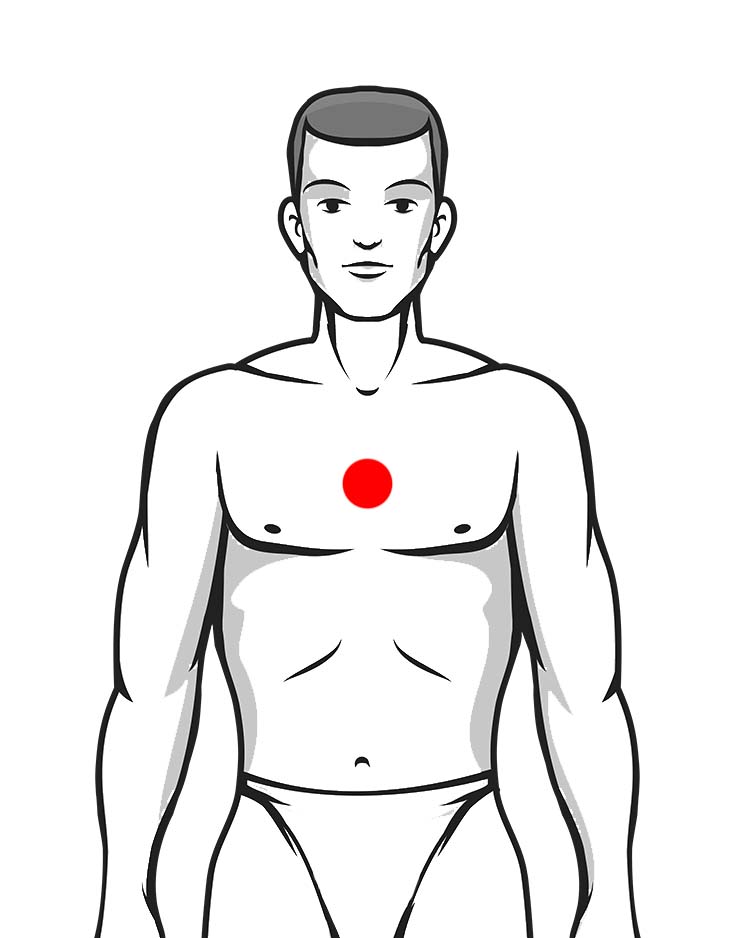
Heart Meridian
Anger
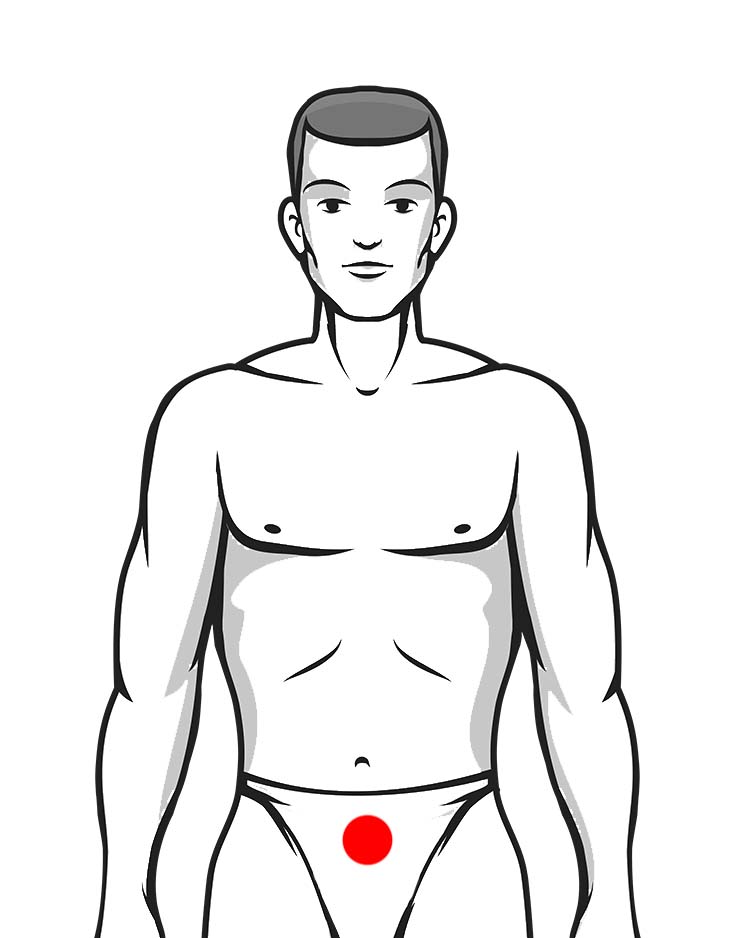
Bladder Meridian Frustration, Restlessness
Refill: Once you've released, hold the same meridian point and shift your intention to receiving the positive opposite. Use the Right Temple — this is about what's ahead of you, not what's behind you.
- Gallbladder: Love for others, Peace, Approving, Patient
- Liver: Love for yourself, Expression
- Heart: Joyful, Whole Heart, Love, Peace with the past
- Bladder: Hope, Optimism
Emotional Release Prayer:
Jesus, I confess and repent for holding on to and coming into agreement with the emotions of anger, resentment, powerlessness, frustration, etc. I gather up these emotions and any and all entities that came along with them, and I cast them to the cross of Jesus. I revoke any and all rights that they've had and I place the blood of Jesus between all of them and me. I ask you Jesus to reverse all effects of these emotions and fill me with peace, patience, trust in You, and the ability to respond rather than react. Thank you. In Jesus' Name, Amen.
Broadly Applicable Tools
Work through these in order. You may not need all of them every time, but go through them at least once for this emotional root.
1. Collarbone Statements
Touch the tender spots about an inch under each collarbone. Rub gently while saying a statement at least three times. When you're finished, tap the karate chop point three times to set the statement.
Sample statements:
- "I'm safe to release this anger."
- “I can have power and agency over who I am."
- “I am not defined by my past.”
- “I am free to be who God calls me to be.”
3. Heal Trauma
Trauma is best worked in layers. Start with a specific memory — the situation or relationship where you felt the most powerless. Work through it using the sequence: Collarbone statement to prepare, emotion release for what comes up, reprocess any misbeliefs connected to the event, then forgiveness for anyone involved.
Write it down as you go. Sometimes more than one thing surfaces at once, and you want to make sure you address each piece.
4. Forgiveness
Tap the edge of the appropriate finger with a finger from your opposite hand. Say: I forgive [WHO] for [WHAT]. Repeat at least three times. This may include forgiving the person or situation that made you feel powerless. It may include forgiving yourself for holding the anger as long as you have. Both are valid.
After forgiveness, go back and re-release the emotions from the meridian work. They often clear faster or more completely once the forgiveness piece is done.
Forgiveness Prayer:
Jesus, I confess and repent of holding onto unforgiveness of [WHO] for controlling me, for making me feel powerless, for judging me. I choose to forgive them, and I ask that you will help me to continue to forgive them as often as I need to. Thank you for helping me forgive them.
Resources that may be helpful for you:
Click the images to see more and/or purchase.
Flower Essences by Freedom Flowers

Enter your text here...

of bitterness, resentment, and victim mentality; supports forgiveness and a shift out of "I've been dealt an unfair hand."
Reflection Questions
- Is there a situation in your life right now where you feel stuck — angry but unable to change anything?
- What is getting under your skin — literally and figuratively? Are those two answers closer together than you expected?
- When you imagine expressing the anger you've been holding, what happens in your body? Does something tighten, or does something release?
Fear, Anxiety, and Stress
You know what it's like when you can't settle. Not the busy kind of unsettled, the kind where your nervous system is running a low-grade alarm that never fully shuts off. You go to work and your skin flares. You have a busy week and the eczema comes roaring back. Or, you manage it for a while, and then something, a conflict, an uncertainty, a season of not knowing, and there it is again.
Here's the thing. That connection between your stress and your skin is not in your head. It is the most clinically documented pattern in eczema research.
The Root
Wright places eczema specifically in the fear, anxiety, and stress category. His words: "Eczema is connected in its roots to fear, anxiety and stress disorders." [Wright, A More Excellent Way, 2009]
Within Wright's larger framework, the Spirit of Fear branches into anxiety, panic, hypertension, insomnia, hormonal imbalances, and immune dysfunction. That's not a short list. And if you've dealt with more than one of those alongside your eczema, you may be looking at a pattern, not a coincidence.
Clinical research backs this up with numbers. A 2018 meta-analysis found that adults with atopic dermatitis had roughly twice the odds of both depression and anxiety compared to healthy controls — and more than four times the odds of suicidal ideation [Rønnstad et al., Journal of the American Academy of Dermatology, 2018]. Those are not small numbers.
A 2004 study found that perceived stigma from the condition was strongly tied to poorer quality of life and depression, with 46% of participants meeting criteria for a probable mood disorder [Wittkowski et al., Journal of Psychosomatic Research, 2004]. And a 2020 qualitative study documented rejection, stigmatization, and social isolation as common experiences for people living with eczema [Marron et al., Actas Dermo-Sifiliográficas, 2020].
In Traditional Chinese Medicine, the skin maps to the Lung meridian, and fear maps to the Kidney and Bladder meridians. When fear is chronic, the body's protective systems, including the skin, bear the load.
Why This Matters for Eczema
So here's what happens in the body when fear and anxiety become a way of life rather than a passing response.
Your stress response releases cortisol. Cortisol, in manageable amounts, actually helps regulate inflammation, it's why steroid weakens the skin barrier, increases histamine release, and amplifies the inflammatory response. The very system that was supposed to protect you starts working against you.
And then the cycle kicks in. The eczema flares. The flare is visible. People notice, or you think they notice. You feel self-conscious. You avoid situations. The avoidance creates more anxiety. The anxiety triggers more cortisol. The cortisol weakens the skin barrier. The eczema flares again.
That cycle is not a character flaw. It is a measurable, documented feedback loop between your nervous system and your skin. The clinical research confirms it. Wright names the spiritual root behind it. And the good news is that a feedback loop can be interrupted at more than one point.
If you feel any guilt reading this, if you're thinking "I should be able to handle stress better" or "I'm making my own condition worse”, reject that. Fear is not a moral failing. Anxiety is not evidence that your faith is too small. This is just data and indications of what to address. And, if none of this resonates, keep going to the next root.
What to Do
Meridian Release
The emotions behind fear, anxiety, and stress map to two meridians.
How to release: Touch the meridian point with one hand and the head point with the other. Intend to release the emotion.
The Bladder meridian carries Fear, Despair, Restlessness, Frustration, Impatience. This is the meridian most directly connected to the fear response. If your eczema flares during seasons of uncertainty or dread, this is where to start.
The Spleen meridian carries Anxiety about the future, Insecure. This is the worry that lives in your stomach: the what-if, the not-knowing, the sense that something is about to go wrong even when nothing is visibly wrong.
- For fear connected to the future — what hasn't happened yet but feels inevitable: use the Right Temple as your head point.
- For anxiety that feels pervasive, not attached to a specific scenario but constant: use the Forehead.
Refill: After releasing, touch the meridian point and the Right Temple. Intend to receive:
- Bladder: Courage, Hope, Optimism, Peaceful, Content, Patient
- Spleen: Healthy boundaries, Emotional stability, Peace (future), Secure, Compassionate
Emotional Release Prayer:
Jesus, I confess and repent for holding on to and coming into agreement with the emotions of fear, anxiety, stress, dread, restlessness, and despair. I gather up these emotions and any and all entities that came along with them, and I cast them to the cross of Jesus. I revoke any and all rights that they've had and I place the blood of Jesus between all of them and me. I ask you Jesus to reverse all effects of these emotions and fill me with courage, peace, hope, and the deep knowledge that I am safe in your hands. Thank you. In Jesus' Name, Amen.
Collarbone Statements
Find the tender spots about one inch below each collarbone. Rub gently while saying each statement three or more times. Then tap the karate chop point three times.
Statements to use:
- "I'm safe to do this work."
- "Even though I feel afraid, I am held."
- "I release anxiety and receive peace."
Forgiveness
Tap the edge of the appropriate finger with your opposite hand. Say: "I forgive [WHO] for [WHAT]." Three or more times.
For this root, forgiveness often needs to include yourself. You may need to forgive yourself for being afraid. For not being able to stop the anxiety. For the years you spent thinking your body was failing you when it was actually doing the only thing it knew how to do with the fear it was carrying.
You might also need to forgive the person or situation that installed the fear in the first place. Or the people who told you to "just relax" or "just trust God more" — as though anxiety were something you could turn off with enough willpower.
After forgiveness, go back and re-release the emotions. Forgiveness often loosens layers that weren't accessible the first time.
Forgiveness Prayer:
Jesus, I confess and repent of holding onto unforgiveness of [WHO] for the fear and anxiety their actions or words planted in me. I choose to forgive them, and I ask that you will help me to continue to forgive them as often as I need to. Thank you for helping me forgive them.
Heal Trauma
Fear often has layers. There's the original event — the thing that taught your body that the world was not safe. And then there are the years of reinforcement on top of it. The body didn't just record the first alarm. It recorded every time the alarm was confirmed.
Work in layers.
- Collarbone Statements first (to make the space safe)
- Emotion release (meridian work above)
- Forgiveness (below)
Write it down. The memory. The fear. What you believed about yourself or about the world afterward. If multiple memories surface, start with the one that carries the most charge and work from there.
Resources that may be helpful for you:
Click the images to see more and/or purchase.
Freedom Flowers Flower Essences

Blue Lupine Flower Essence supports the nervous system in finding a calmer baseline when worry loops won't quit
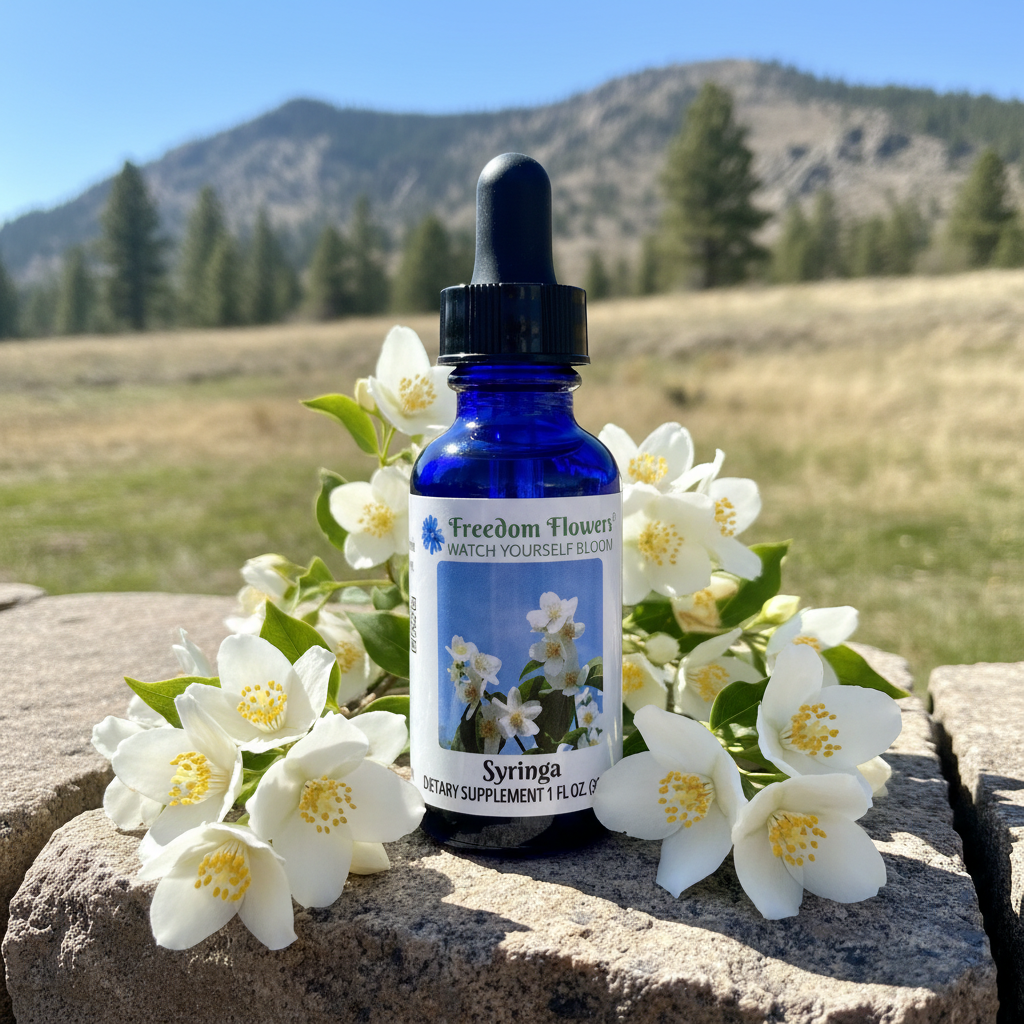
Syringa Flower Essence for when fear and anxiety feel hardwired into your body rather than something that comes and goes
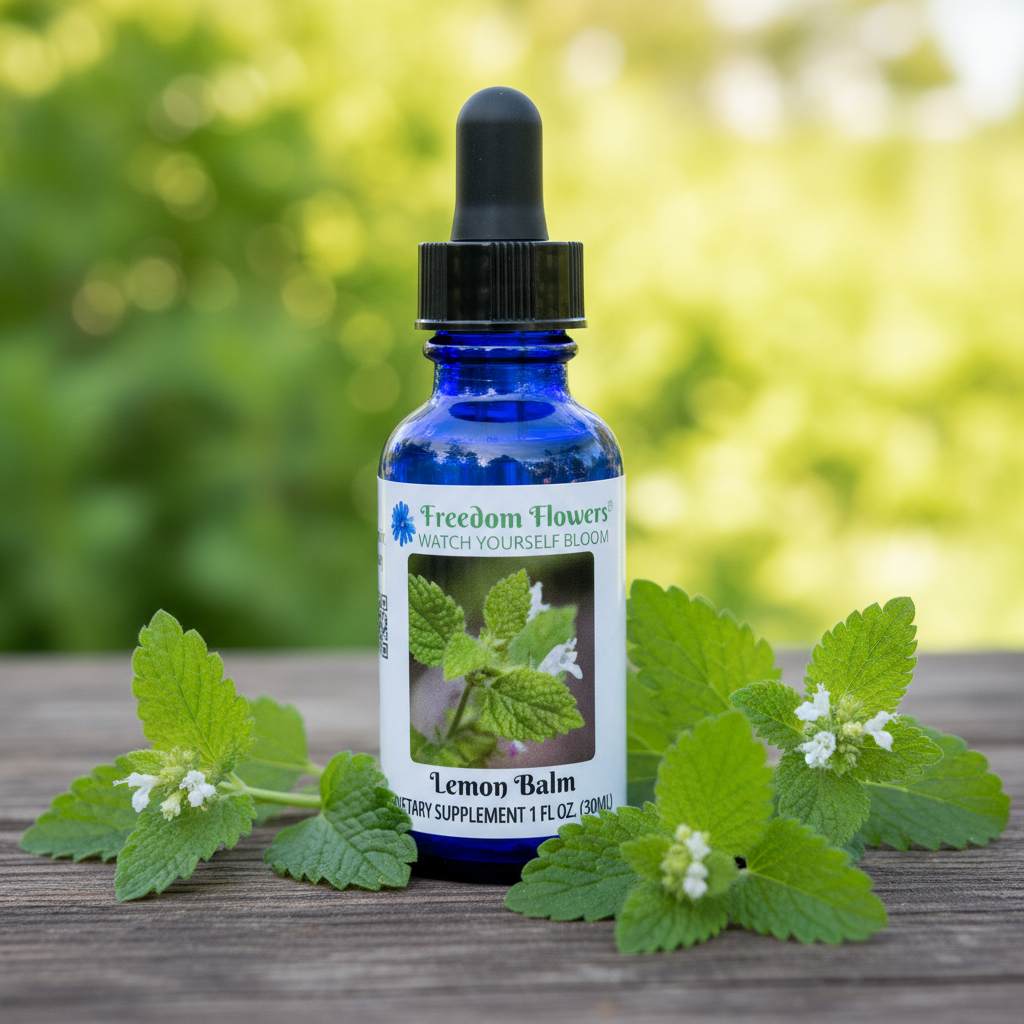
Lemon Balm Flower Essence calms fears, eases anxiety lurking in the background of the mind, and supports a steady sleep rhythm
Stay Calm Flower Essence calms the body's stress response in overwhelming moments and quiets looping thoughts
Reflection Questions
- When does your eczema flare most reliably — and is there a pattern of stress, uncertainty, or fear connected to the timing?
- Is there a specific season of your life when the anxiety became constant rather than occasional? What was happening?
- Has anyone told you that your fear or anxiety means your faith isn't strong enough? What did that do to you?
- What would it feel like to believe — in your body, not just in your head — that you are actually safe?
Resistance to Transformation
A note before we go further: this root comes from a single tradition. It doesn't have the multi-source backing that some of the other roots in this post do. I'm including it because even though it comes from one source, the pattern may be meaningful for some readers. If it doesn't sound like you, move on without a second thought. But if something in you goes oh, then stay with me, because the connection between this pattern and eczema is striking.
The Root
Here's the picture: a person becoming someone new—and fighting it. Not because they don't want to grow, but because the past feels safer than whatever is coming next. If your family history taught you that change leads to deterioration, that things only get worse from here, then hanging on to who you've been starts to feel like the only rational response. [Lincoln, Messages from the Body, 1991]
Here's the thing. This is not about refusing to grow. The difficulty is in the release, letting go of old thought patterns and/or old identities that were forged in difficult circumstances. Those identities kept you safe once. Releasing them can feel like stepping off a cliff.
If you feel any guilt reading this, maybe you feel like you should be further along, or like clinging to the past makes you weak, please reject that. You're not weak. You're human. And the body is just showing you where the struggle is.
What to Do
Meridian Release
The emotions behind resistance to letting go map to two meridians:
How to release: Touch the meridian point with one hand and the head point with the other. Intend to release the emotion.
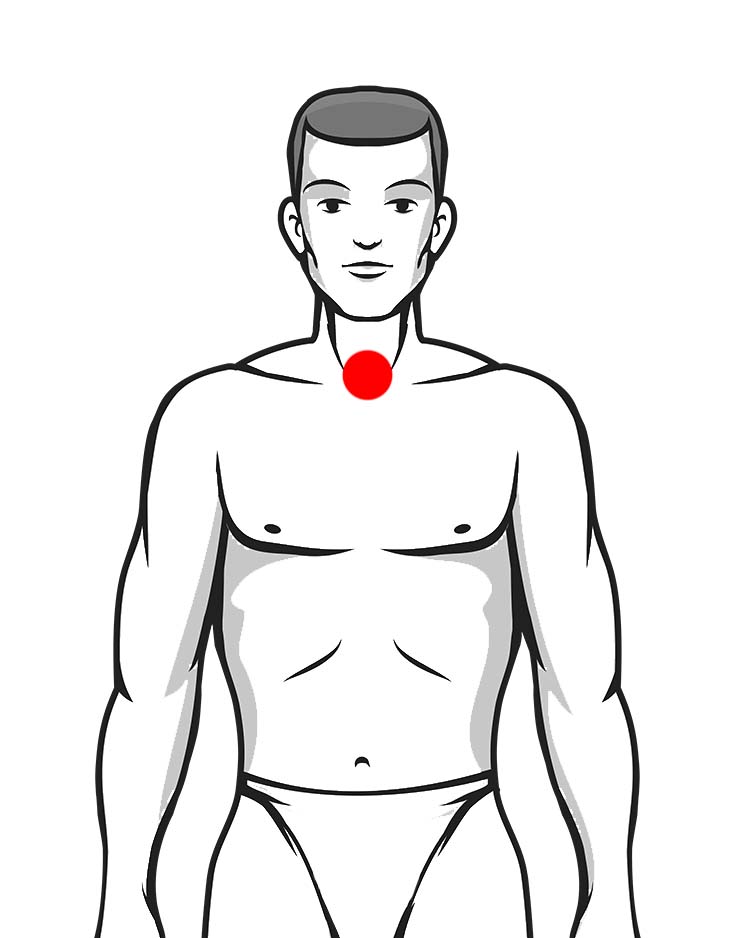
The Thyroid meridian carries Frozen and Hopelessness. The stuck feelings: nothing will change, the future holds nothing better than the past.
The Bladder meridian carries Fear and Restlessness. The anxiety about what comes next, and where you may be standing between who you were and who you're becoming, having difficulty committing to either.
- For past patterns (old identities, the family dynamics that taught you change means deterioration): Left Temple.
- For fear of the future (dread, expectation that things will only get worse): Right Temple.
Refill: After releasing, touch the meridian point and the Right Temple. Intend to receive:
- Thyroid: Peace, Free, Serenity, Hope, Connected
- Bladder: Courage, Hope, Optimism, Peaceful
Emotional Release Prayer:
Jesus, I confess and repent for holding on to and coming into agreement with hopelessness, fear of the future, and the belief that change only leads to deterioration. I gather up these emotions and any and all entities that came along with them, and I cast them to the cross of Jesus. I revoke any and all rights that they've had and I place the blood of Jesus between all of them and me. I ask you Jesus to reverse all effects of these emotions and fill me with hope, peace, and courage to release what I've outgrown. Thank you. In Jesus' Name, Amen.
Collarbone Statements
Rub the tender spots below each collarbone while saying each statement three or more times. Then tap the karate chop point three times.
- "I'm safe to do this work."
- "I can release what no longer serves me."
- "It is safe to become who I am becoming."
Heal Trauma
If specific memories are surfacing — a season of change that went badly, a family pattern where things really did get worse — work in layers: Collarbone Statements first, then emotion release, then reprocess the misbelief, then forgiveness. Write it down. The memory, the fear, what you believed about change afterward.
Forgiveness
Tap the edge of the appropriate finger with your opposite hand. Say: "I forgive [WHO] for [WHAT]." Three or more times.
For this root, forgiveness may need to go toward the people or circumstances that taught you change was dangerous. You might say: "I forgive my family for teaching me that things only get worse." Or: "I forgive the situation that made me afraid to let go." You may also need to forgive yourself — for staying stuck, for being afraid. You did that to survive.
After forgiveness, go back and re-release the emotions. Forgiveness often loosens layers that weren't accessible the first time.
Forgiveness Prayer:
Jesus, I confess and repent of holding onto unforgiveness of [WHO] for teaching me that change is dangerous and things only get worse. I choose to forgive them, and I ask that you will help me to continue to forgive them as often as I need to. Thank you for helping me forgive them.
Resources that may be helpful for you:
Click the images to see more and/or purchase.
Freedom Flowers Flower Essences*

Datura Flower Essence — for letting go of old ways and finding the faith to step into the new and unknown.
Black Currant Flower Essence — for fear of change and the struggle to let go of the familiar to take hold of something new.
Apricot Flower Essence — for stepping into a new season when the transition feels apprehensive.
Reflection Questions
- Is there an "old version" of yourself that you know you've outgrown but haven't been able to fully release? What would it cost you to let it go?
- When you think about the future, what do you expect? Do you expect things to improve, or do you carry a baseline assumption that they'll deteriorate?
- Has your eczema ever flared during a season of personal change or transition — a move, a new job, a relationship shift, a spiritual season? What were you being asked to release?
Self Punishment
I'm including this root because it kept showing up in the research — not as widely documented as the others, but specific enough that if it's yours, you'll want this information. If what you read in the Suppressed Individuality section felt true but incomplete — if you thought, "Yes, but the person doing it to me now is me" — this is the section that addresses that.
So stay with me. This one may be uncomfortable, but it might be the one that matters most.
The Root
Here's the distinction. The Suppressed Individuality section covers the external message: someone told you, directly or indirectly, that being you was not okay. This section covers what happens after that message takes root. You stop waiting for someone else to shut you down. You start doing it yourself.
That's a preemptive strike. Against yourself.
And you are likely to be a perfectionist, depriving yourself of joy until you’re “good enough” to deserve it.
And, if so, you may read this as more evidence to convict yourself of being not worthy. The reflex to minimize your own pain is part of the pattern. You learned a long time ago that your feelings were inconvenient. You're still editing them. But, if this resonates, please give yourself the grace and the choice for healing and wholeness and joy.
Why This Matters for Eczema
The immune system is directly involved in eczema. The body mounts an inflammatory response against its own skin. And in self-punishment, the body is doing exactly what the internal script says: hurt yourself before someone else does.
Think about the scratch-itch cycle for a minute. The itch comes. You scratch. The scratching damages the skin, which triggers more inflammation, which creates more itching. It is, quite literally, self-inflicted damage to the body's outermost surface. The skin is attacking itself. And you are the one doing the scratching.
That's not a metaphor. That's the mechanism.
The immune system treats its own skin like a threat. The person treats their own needs, their own joy, their own individuality like threats. The body enacts what the mind believes: I have to hurt myself before someone else does.
It's the voice that says you didn't do enough, didn't do it right, don't deserve rest. The perfectionism that never arrives at "good enough" because "good enough" was never the actual target. The target was always earning the right to exist without punishment. And that's a false target because you always had the right to exist without punishment. God gave you that right, and he’s never taken it away.
What to Do
The emotions behind self-punishment map to two meridians:
Liver meridian — carries Anger at self, Shame, and Guilt. This is the core of the pattern: the turned-inward rage, the shame of having needs, the guilt for existing as yourself.
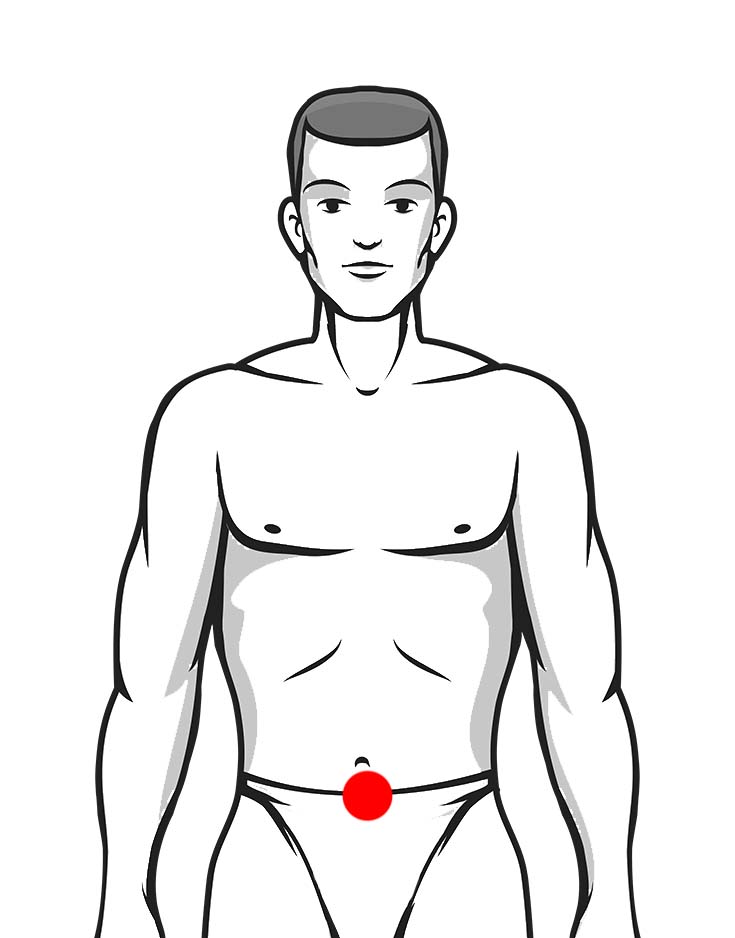
Large Intestine meridian — carries Perfectionism, Guilt, and Low self-worth. This is what the self-punishment produces over time: a deep sense that you are not worth kindness, rest, or pleasure.
How to release: Touch the meridian point with one hand and the head point with the other. Intend to release the emotion. Hold for as long as it takes — you'll feel when it shifts.
- For past-connected emotions (specific memories of punishing yourself, moments you denied yourself something good): use the Left Temple as your head point.
- For pervasive, ongoing patterns (a constant internal critic, a default setting of "I don't deserve this"): use the Forehead.
Refill: After releasing, touch the meridian point and the Right Temple. Intend to receive:
- Liver: Love for self, Innocent, Self-admiration, Happiness, Pleasure
- Large Intestine: Flexibility, Full, Innocence, Grace, High self-worth, Released
Sit with those for a moment. Pleasure. Happiness. High self-worth. If any of those feel foreign or uncomfortable — if something in you pushes back and says "that's not for me" — that's the self-punishment talking. Receive them anyway.
Emotional Release Prayer:
Jesus, I confess and repent for holding on to and coming into agreement with the emotions of self-punishment, guilt, shame, anger at myself, and the belief that I do not deserve kindness or joy. I gather up these emotions and any and all entities that came along with them, and I cast them to the cross of Jesus. I revoke any and all rights that they've had and I place the blood of Jesus between all of them and me. I ask you Jesus to reverse all effects of these emotions and fill me with love for myself, innocence, pleasure, and the knowledge that I am allowed to stop hurting myself. Thank you. In Jesus' Name, Amen.
Find the tender spots about one inch below each collarbone. Rub gently while saying each statement three or more times. Then tap the karate chop point three times.
- "I'm safe to do this work."
- "I do not deserve punishment."
- "I am allowed to stop hurting myself."
If specific memories are coming up — a time you denied yourself something you wanted, a pattern of overworking to earn the right to rest, a moment you realized the harshest voice in your life was your own — work in layers:
- Collarbone Statements first (to make the space safe)
- Emotion release (meridian work above)
- Reprocess the misbelief connected to that memory
- Forgiveness (below)
Write it down. The memory, the feeling, what you decided about yourself afterward.
This one is almost entirely about forgiving yourself. Although, you may also need to forgive others in your life who contributed to these lies and wrong beliefs. Whose voice you hear as your internal critic.
You may need to forgive yourself for years of self-deprivation. For denying yourself joy. For becoming your own worst critic because that felt safer than waiting for someone else to criticize you. For all the times you said no to yourself when you could have said yes.
You did what you did to survive. It was not a failure. But the pattern has cost you something, and naming that cost is part of releasing it.
Tap the edge of the appropriate finger with your opposite hand. Say: "I forgive myself for [WHAT]." Three or more times.
Forgiveness Prayer:
Jesus, I confess and repent of holding onto unforgiveness of myself for all the years I have spent punishing myself, depriving myself, and treating myself as unworthy. I choose to forgive myself, and I ask that you will help me to continue to forgive myself as often as I need to. Thank you for helping me forgive.
Resources
Freedom Flowers Flower Essences*
Hyssop Flower Essence — for guilt, self-blame, perfectionism, and the self-condemnation that keeps the self-punishment running.
Skullcap Flower Essence — for self-criticism and
self-neglect, and to invite self-forgiveness and self-nurturing.

Missouri Primrose Flower Essence — for the belief that you don't deserve rest, joy, or good things, often shaped back in childhood.
Reflection Questions
- When you deny yourself something — rest, pleasure, a break — what is the voice that says you haven't earned it? Whose voice was it originally?
- Do you notice a pattern of bracing — preparing for criticism or punishment that hasn't arrived yet? Where did that start?
- What would it feel like to go one full day without punishing yourself for anything?
This is from my book: The Emotional Roots of Eczema and the Tools to Heal Them.
You can purchase a copy HERE.
* Full disclosure — I'm an affiliate for Freedom Flowers. The product links above pay me a small commission if you purchase through them, at no extra cost to you. I have used Freedom Flowers' flower essences for many years and highly recommend them.